
The most challenging, the most rewarding
PADI Rescue Diver
Graduates describe it as the most challenging course and, at the same time, the most rewarding. Serious, but with room for plenty of laughter between focused learning and demanding exercises.
At a glance
Learn to prevent and manage problems in the water, for yourself and for others. You become a better dive buddy.
- Minimum age
- 12 years
- Prerequisites
- Advanced Open Water, or Adventure Diver with the navigation dive
- First aid
- EFR Primary and Secondary Care within 24 months
- EFR
- Can be taken during the course
Who can enrol
PADI (Junior) Adventure Divers aged 12 or over who have completed the Underwater Navigation adventure dive, and everyone who has completed Advanced Open Water.
You also need Emergency First Response Primary and Secondary Care training from the last 24 months. EFR can be taken during the Rescue Diver course.
What you will learn
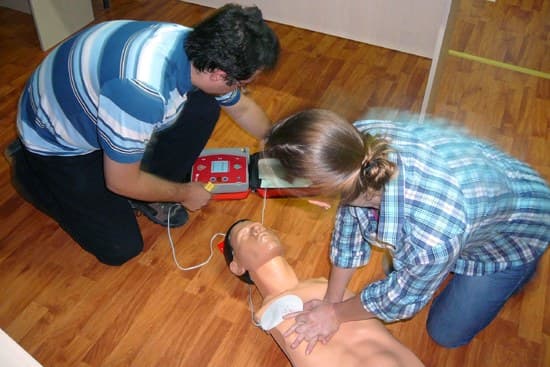
How to handle minor and major emergencies with a range of techniques. You learn what to look for and how to respond, then apply it all in rescue scenarios.
- Self-rescue
- Always comes first. If, as a rescuer, you cannot act without putting yourself in danger, it may be better not to. You learn to think before reacting, analyse logically and follow a plan. A rescue that ends with two victims serves no one.
- Recognising stress
- Spot stress in the divers you are about to dive with from the first signs, and learn to calm them, help them, or persuade them to reconsider the dive if there is real doubt.
- Emergencies and equipment
- Accidents can happen in diving, as in any sport. You prepare for the most common scenarios and the techniques to overcome them.
- Panicked divers
- A panicked diver stops reasoning. They act on instinct, reject their equipment and become dangerous to themselves and to untrained helpers. You learn to recognise the first signs and how to approach them.
- Unresponsive divers
- On the bottom and at the surface. Scenarios nobody wants to face. You learn to stay calm and act with confidence: rescue breaths at the surface, towing to the boat or shore, and getting the diver out of the water.
The course makes you a more confident diver and prepares you to recognise, prevent and manage the unexpected.
Equipment
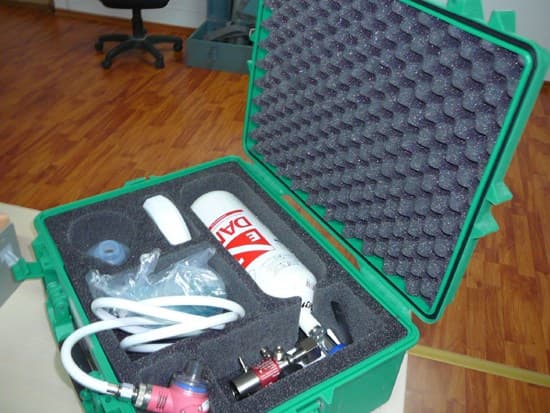
You use basic scuba equipment and need a pocket mask for in-water rescue breathing. During the exercises you work with an oxygen unit, buoys, floats and probably CPR manikins. Your instructor may also suggest a first aid kit, useful for the rest of your diving life.
Video
PADI Rescue Diver Course
Ready to go down?
Call or write to us and we will find the right course and schedule together.